

Sauna, hot ofuro and cold water: finding your own way to unwind
The NAMETY grounds have many features associated with a traditional heat ritual: wood-fired saunas, hot ofuro, open air, a shower, cold plunge tubs and outdoor tipping buckets. They are not necessarily included in a single booking, and their availability together is not guaranteed. Even when several options are available, there is no need to try them all — preferably several times — to relax ‘properly’. A good ritual starts with the opposite approach: choose only what suits you today.
Heat and cold produce noticeable physiological responses. This is neither a challenge to complete nor a test of character. A first-time visitor, a guest after a difficult day and a regular sauna user need different paces. Below are three approaches you can adapt, rather than instructions that are right ‘for everyone’.
Before you begin: a quick check
- Do you feel well, without a fever, acute illness or significant dehydration?
- Have you avoided alcohol?
- Do you have any condition for which a doctor has advised avoiding overheating or sudden cold?
- If you are prone to dizziness or fainting, does someone nearby know?
- Are you ready to stop at any point without ‘finishing the sequence’?
If you are pregnant, have cardiovascular disease, unstable blood pressure, fainting episodes or serious chronic conditions, or take medicines that affect blood pressure and temperature regulation, seek individual advice from a doctor.
Check what is included, then keep it simple
Before arriving, find out exactly which sauna or hot tub you have booked, how many guests it accommodates and which water features are available for that booking on that particular day. Access may depend on your chosen option, preparation times, the weather and the site rules. Clarifying these practical details does not mean the NAMETY team is prescribing a medical sequence: the administrator explains the facilities and organisational rules, while each guest chooses a cautious pace based on their own experience and, where needed, medical advice. If you cannot separate two sources of heat with long breaks, it is better to choose one. A shorter, clearer plan is easier to follow and stop in good time.
Shower, tipping bucket or cold plunge tub: different kinds of contrast
A cool shower offers the most control: you can start with your arms and legs, adjust the temperature and stop immediately. A tipping bucket delivers a brief, intense rush of water, so settle your breathing, stand firmly and make sure the space is clear before using it. A cold plunge tub cools a larger area of the body and may produce the strongest response; do not jump in, immerse your head or enter because your friends pressure you to.
None of these options is the ‘next level’ after a sauna. They are three different tools. For your first visit, a shower or fresh air is enough. If you do not know the water temperature, the rules for a particular area or how you will respond, ask the NAMETY team before starting, rather than when you are already standing beside the tub.
Option 1. Gentle: warmth, air and tea
This is the best option for a first visit, an evening without extremes or a day when your body needs rest.
- Take a warm shower and drink some water.
- Have a short sauna session with moderate steam.
- Step outside into the fresh air. Do not rush under the cold-water bucket.
- Sit down until your breathing and pulse return to normal.
- Drink water or tea. If you wish, have another short session.
This approach is not ‘incomplete’. Air alone provides a sufficient change in temperature. After a sauna, you can move on to a hot tub briefly if you tolerate heat well, but using two sources of heat in succession increases the overall strain.
Option 2. Contrast: for those who already know their response
Sudden immersion in cold water causes cold shock: breathing becomes faster, blood vessels constrict, and pulse and blood pressure may change sharply. Reviews of cold-water research identify some potential effects on wellbeing, but the evidence is uneven and the immediate stress response is well established. Temperature contrast should therefore be controlled.
- Warm up briefly without exhausting yourself.
- First spend some time in the open air so that your breathing is calm.
- Start with a cool shower or a single dousing, rather than sudden immersion.
- If you choose a plunge tub, enter in a controlled way; do not jump in or immerse your head.
- Get out before severe shivering, numbness, dizziness or loss of control over your breathing develops.
- Warm up gradually with a dry towel, clothing, movement and a warm drink. There is no need to rush straight back into the hottest sauna.
Option 3. Evening: ofuro, a shower and quiet
If your aim is to slow down before bed, extreme cold may be unnecessary. For some people it produces a strong burst of alertness.
- Take a shower, then have a short soak in hot ofuro.
- Step out into the air, drink some water and sit in the lounge.
- If you wish, have another short soak, but do not remain in the water without a break.
- Finish with a warm or moderately cool shower.
- Allow some time afterwards without work, news or heavy food.
Hot water transfers heat quickly. If you feel weak, nauseous or dizzy, develop a headache or notice a racing heart, get out immediately. Do not stand up suddenly.
Sauna and ofuro on the same day: can you do both?
Yes, if you are healthy, tolerate heat well and reduce the intensity of each part. The logic is simple: do not combine maximum heat with maximum time in hot water. A short sauna session, a long break and a brief ofuro soak make more sense than a marathon without cooling down.
Drink water and take long breaks. Before booking, ask practical questions: which features are available together, when they are prepared and what rules apply. The NAMETY team can explain the arrangements, but it does not prescribe a universal sequence of heat and cold or replace individual medical advice.
How to stop a group visit becoming a competition
Agree before the first session that everyone can leave whenever they want; cold is entirely optional; and no one pushes anyone, holds them in the water or mocks a short session. One sober person should be alert to a friend becoming unusually quiet, confused or unsteady. Alcohol does not make contrast more fun: it impairs your assessment of risk and increases the danger of overheating and injury.
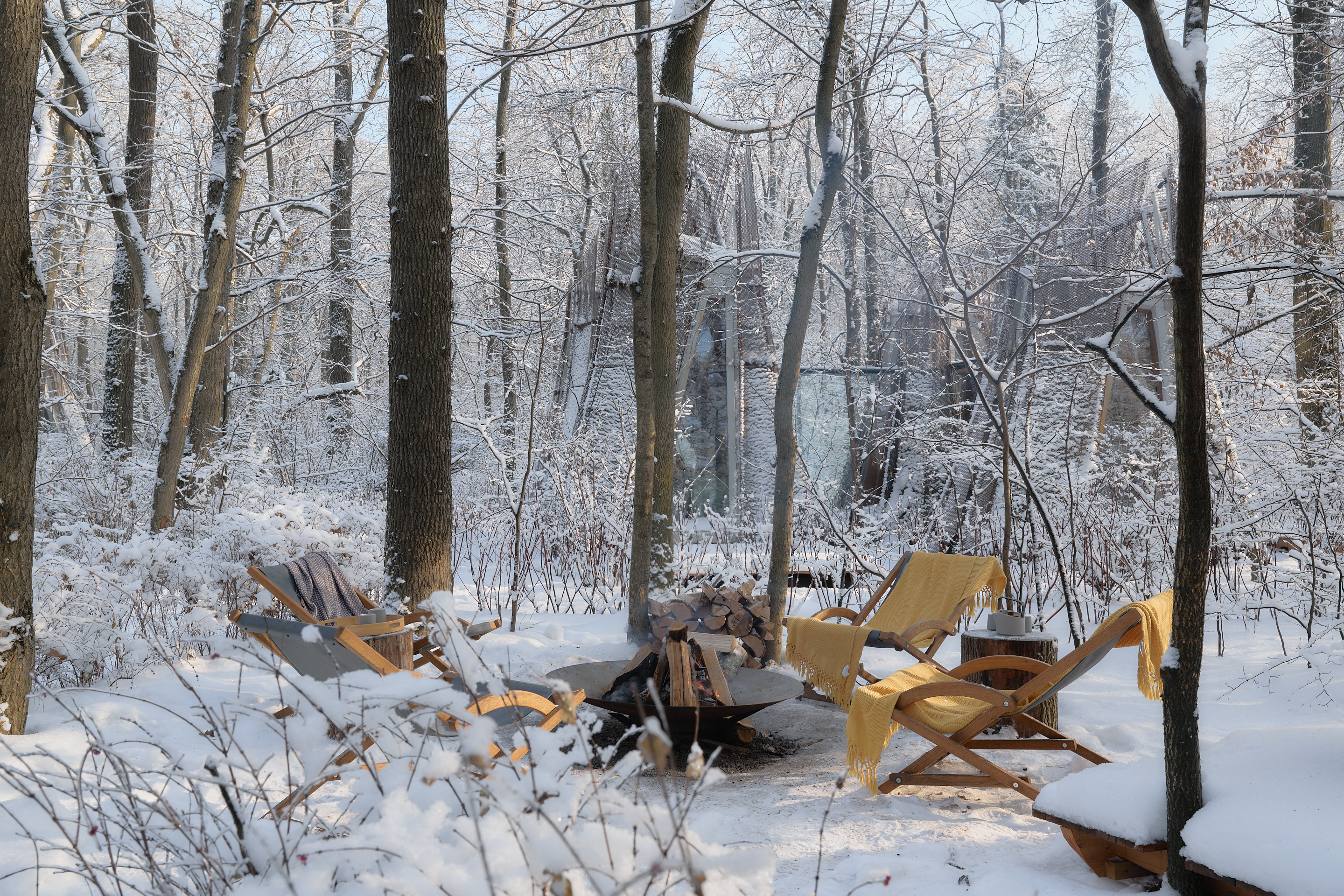
After the final cycle, let the evening end gradually. Dry yourself, get dressed, drink some water and sit in the lounge. Stay by the fire area only if it is available with your booking and its use is permitted that day under the site and fire-safety rules. Do not drive while you feel dizzy, weak or as though your body has not yet returned to normal.
Five things you do not need to prove
- that you can last longer than your friends;
- that an ice-cold plunge is ‘right for everyone’;
- that more sweat means more ‘toxins’ have left your body;
- that a good ritual has to be complicated;
- that discomfort is a sign of effectiveness.
Your best route through NAMETY may involve nothing more than a sauna, fresh air and drinking water. Or it might be ofuro and a shower, followed — if access has been confirmed — by a quiet pause near the fire area. A complicated sequence does not guarantee restoration; a helpful change begins when you stop following someone else’s programme.
Explore all NAMETY saunas and the wood-fired hot tub with lounge.
To prepare: what happens to the body in a sauna and how to enjoy a hot tub without rushing.


